The Apostles’ Creed, Article II (Part 1)
“I believe in Jesus Christ”
Part II: Believing in Christ • Questions 48-65
Question 48: Who is Jesus Christ?
Jesus Christ is the eternal Word and Son of God, the second Person of the Holy Trinity. He took on human nature to be the Savior and Redeemer of the world, the only Mediator between God and fallen humanity.
Scripture: Psalm 2; Malachi 3:1; John 1:1–18; Philippians 2:5–11; 1 Timothy 2:5–6
Question 49: What does “Jesus” mean?
“Jesus” means “God saves” and is taken from the Hebrew name Yeshua or Joshua. In Jesus, God has come to save us from the power of sin and death.
Scripture: Joshua 1:1–9; Psalm 20; Matthew 1:18–25; Romans 8:1–2
Question 50: What does “Christ” mean?
Christos is the Greek term for the Hebrew title Messiah, meaning “Anointed One.” Old Testament kings, priests, and prophets were anointed with oil. Jesus the Christ was anointed by the Holy Spirit to perfectly fulfill these roles, and he rules now as Prophet, Priest, and King over his Church and all creation.
Scripture: Exodus 40:12–16; 1 Samuel 16:11–13; 1 Kings 19:15–16; Psalm 89:19–29; Luke 3:21–22; 4:14–21; Acts 10:38; Hebrews 4:14–5:10
“His Only Son, Our Lord”
Question 51: Why is Jesus called the Father’s “only Son”?
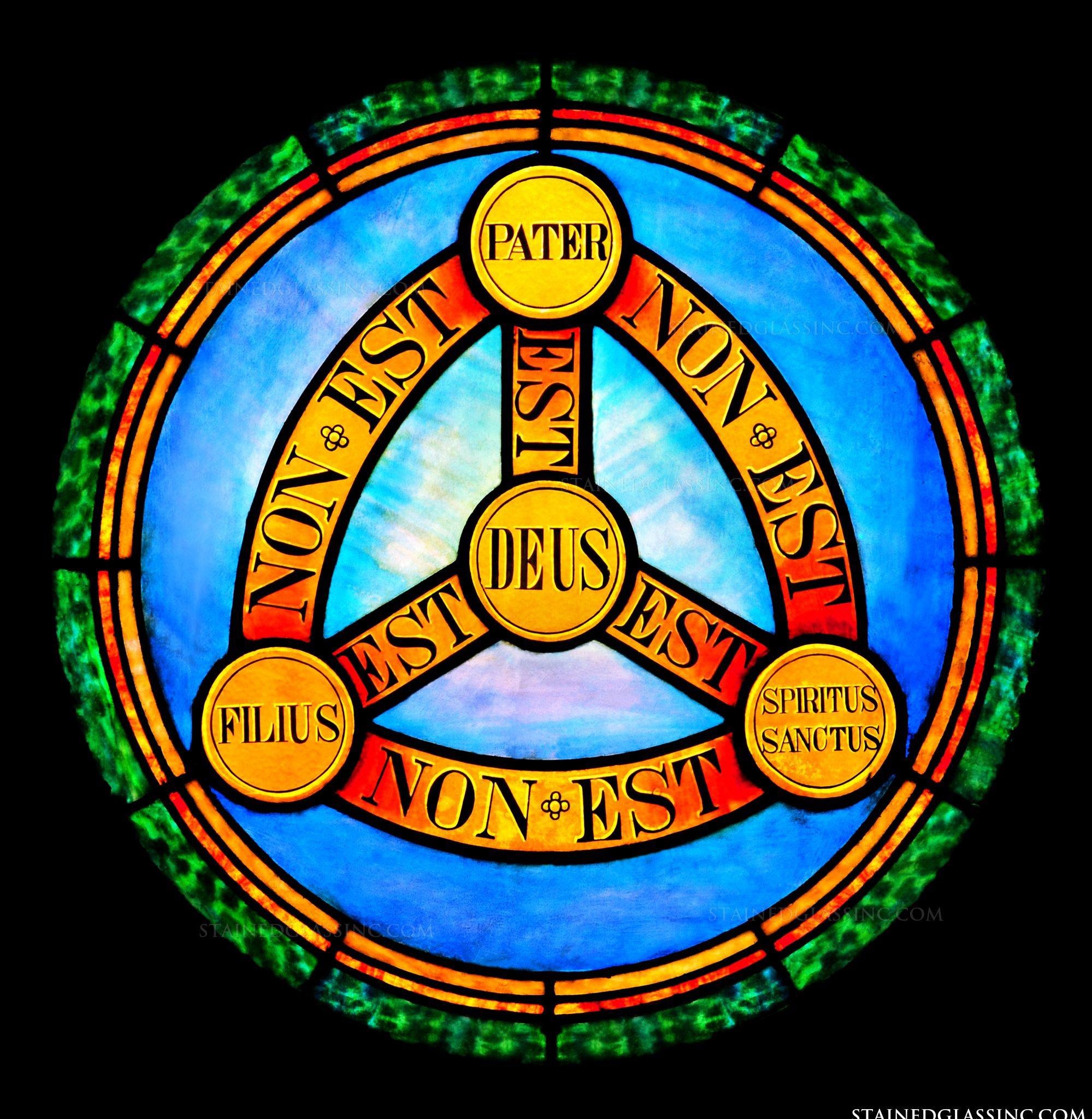
Jesus alone is God the Son, coequal and coeternal with God the Father and God the Holy Spirit. He alone is the image of the invisible Father, the one who makes the Father known. He is now and forever will be incarnate as a human, bearing his God-given human Name. The Father created and now rules all things in heaven and earth through Jesus Christ our Lord.
Scripture: Psalm 2:7–12; John 1:14–18; Colossians 1:13–15; Hebrews 1:1–5; see also Athanasian Creed
Question 52: What do you mean when you call Jesus Christ “Lord”?
I acknowledge Jesus’ divine authority over the Church and all creation, over all societies and their leaders, and over every aspect of my life, both public and private. I surrender my entire life to him and seek to live in a way that pleases him.
Scripture: Daniel 7:13–14; Matthew 7:21–23; Luke 9:23–26; Ephesians 1:15–23; Colossians 1:16–18
“He Was Conceived by the Holy Spirit and Born of the Virgin Mary”
Question 53: What does it mean that Jesus was conceived by the Holy Spirit?
Jesus was conceived not through a human father but by the Holy Spirit coming upon the Virgin Mary in power.
Scripture: Isaiah 7:14; Matthew 1:18–20; Luke 1:26–38
Question 54: What happened at Jesus’ conception in Mary’s womb?
The eternal Son, whom God named Jesus, assumed a fully human nature from his mother, the Virgin Mary, at the moment of conception in her womb.
Scripture: John 1:1–3, 14; 8:56–58; Philippians 2:6–8; Colossians 2:9
Question 55: Why is it important to say that Jesus was born?
It is important to affirm that he is one of us: truly human, born to a human mother, and raised in a human family.
Scripture: Luke 2:41–52; Hebrews 2:17–18
Question 56: Was Mary the only biological parent of Jesus?
Yes. While still a virgin, Mary submitted to the will of God and bore the Son of God. Therefore, she is held in high honor. However, in obedience to God, Joseph took Mary as his wife and raised Jesus as his son.
Scripture: Isaiah 7:14; Matthew 1:18–25; 13:55
Question 57: What is the relationship between Jesus’ divine and human natures?
At the moment of Jesus’ conception, the divine nature of the one eternal Person of the Son was united to our human nature. Therefore, Jesus Christ is fully and truly both divine and human, but without sin. His two natures are united without division, separation, mixture, or change.
Scripture: Luke 1:26–38; John 1:14; Philippians 2:6–8; Hebrews 2:10–16; 1 John 4:2–3; Definition of Chalcedon
Question 58: What does the union of Jesus’ two natures teach you about his ministry?
All Jesus does as a human being he also does as God. His human words and deeds are saving because they are the words and deeds of God the Son.
Scripture: John 5:19–29; Romans 8:1–4; Colossians 1:19–23; Hebrews 4:14–16
“He Suffered Under Pontius Pilate”
Question 59: Why did Jesus suffer?
Jesus suffered as a sacrifice for our sins so that we could have peace with God, as prophesied in the Old Testament: “But he was pierced for our transgressions; he was crushed for our iniquities; upon him was the chastisement that brought us peace, and with his wounds we are healed.”
Scripture: Isaiah 52:13–53:12, see 53:5; John 1:29; Romans 6:23; 1 Corinthians 15:3–4
Question 60: In what ways did Jesus suffer?
On earth, the incarnate Son shared physically, emotionally, and spiritually in the temptations and sufferings common to all people, yet without sin. In his agony and desolation on the Cross, he uniquely suffered in my place for my sins and, in so doing, revealed God’s love and compassion for fallen and suffering humanity.
Scripture: Psalm 22:1–24; Matthew 4:1–10; 27:26–50; Hebrews 4:14–16
Question 61: How do Jesus’ sufferings help you?
Jesus has experienced our sufferings, understands our sorrows, and is able to sympathize with our weakness. Therefore, I should bear my sufferings with perseverance and hope, for my Savior is with me in them, and through them I will come to know him more fully.
Scripture: Job 9:32–35; Psalm 22:22–26; Isaiah 53:4–7; Luke 4:1–13; Hebrews 4:14–5:10
Question 62: Why does the Creed say that Jesus suffered under the Roman governor Pontius Pilate?
The Creed thus makes clear that Jesus’ life and death were real events that occurred at a particular time and place in Judea in the first century AD.
Scripture: Psalm 2:1–6; Luke 3:1–2; 23; Acts 4:24–28
“Was Crucified, Died, and Was Buried” / “He Descended to the Dead”
Question 63: What happened at Jesus’ crucifixion?
Jesus was executed as a common criminal. He was scourged, mocked, and nailed to a Cross outside the walls of Jerusalem. Though humanly a miscarriage of justice, his execution fulfilled God’s plan of salvation.
Scripture: Psalm 22:1–21; Isaiah 53:8; Matthew 27:22–26
Question 64: What did Jesus accomplish on the Cross?
Jesus fulfilled the Scriptures by dying on the Cross as a sacrifice for sin in obedience to his Father. He thereby showed the depth of the love of God for his fallen creation, satisfying the justice of God on our behalf and breaking the power of sin, Satan, and death.
Scripture: Leviticus 23:18–21; Psalm 34:15–22; Colossians 2:13–15; Hebrews 10:11–14
Question 65: What does Jesus’ death mean for you?
Jesus bore my sins and died the death that I deserve, so that I could be saved from sin and eternal condemnation and reconciled to God.
Scripture: Psalm 32:1–2; Isaiah 53:10–12; Matthew 20:28; Romans 5:8–10; 2 Corinthians 5:17–21
Continue Your Study
 Amateur Anglican